Thyme-Infused Honey
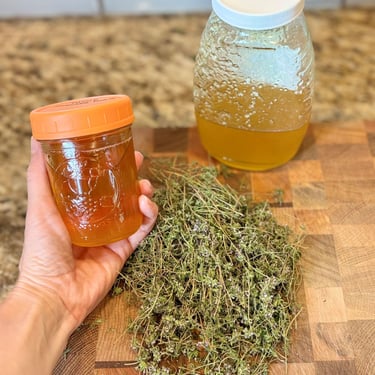
Thyme-infused honey perfectly pairs flavor with holistic herbal medicine. Enjoy its botanical, sweet, warm taste while benefitting from its anti-bacterial properties. It's a staple to make for coughs and sore throats!
Miss Z
5/31/2026
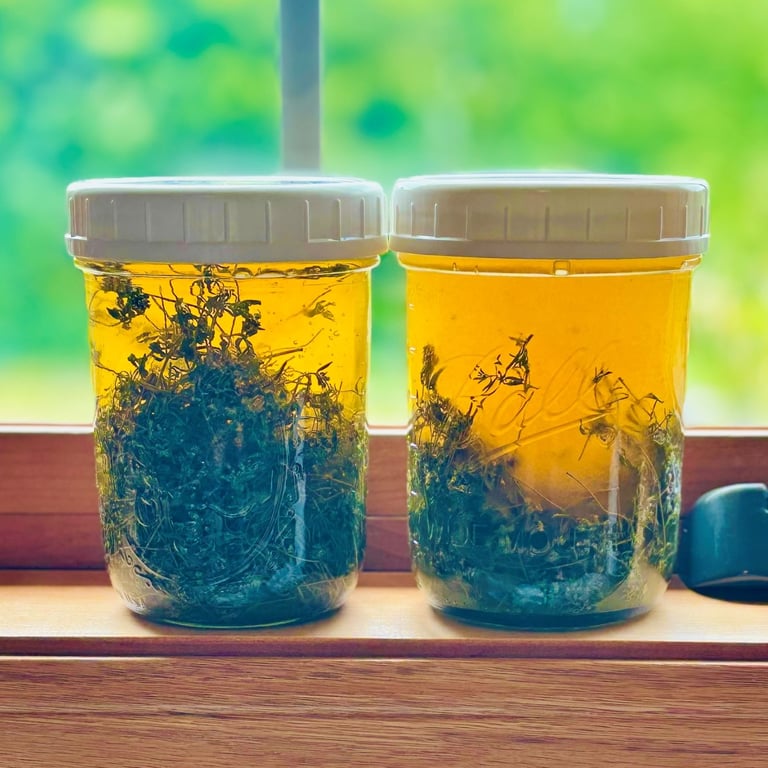
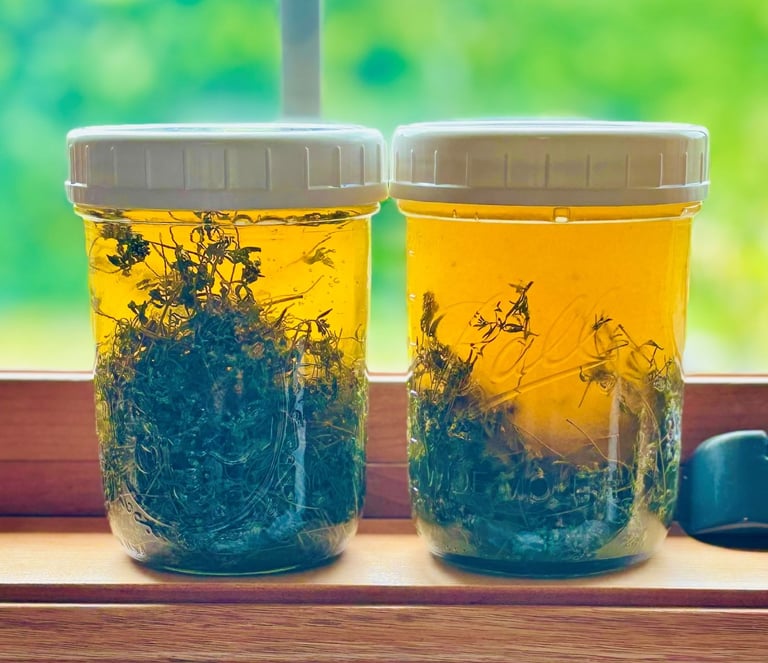
Thyme-infused honey is a fragrant, botanical blend that pairs the natural sweetness of raw honey with the herbal warmth of garden thyme. Aside from being pleasant on the palate, more importantly, this infusion offers wonderful medicinal properties.
Thyme is anti-bacterial, anti-inflammatory, anti-fungal, anti-spasmodic, and an expectorant. With those therapeutic effects, it is known to help improve respiratory conditions and is especially beneficial for coughs, bronchial infections, and sore throats. Raw honey, in and of itself, is nothing short of impressive for its holistic properties. It is also anti-bacterial and anti-inflammatory, plus anti-microbial and high in antioxidants. By combining both of these powerhouses in this recipe, you can create a simple, yet effective natural remedy for coughs and sore throats that your whole family - even the kids - will gladly take when sick.
Beyond using this delicious infusion just when you may be sick, it is also versatile and can be a sweet, aromatic addition to your teas, roasted vegetables, or salad dressings.
Here’s what you’ll need to make it:
This post contains affiliate links, which means I may receive a commission, at no extra cost to you, if you make a purchase through a link.
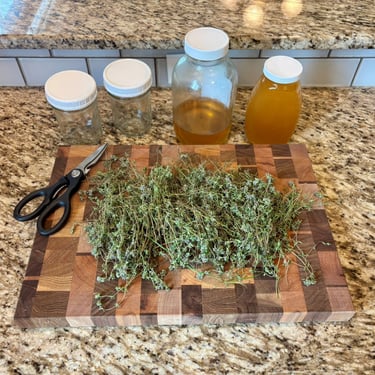
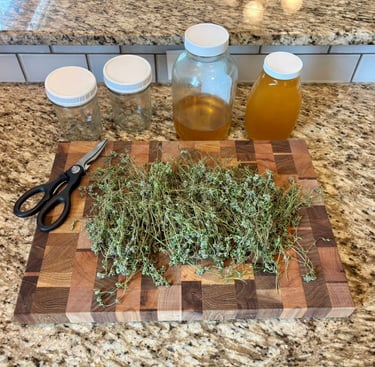
Pure, Raw Honey
When selecting honey for this infusion, or any other type of holistic honey recipes, you must be sure that it is pure, raw, and unheated. Meaning: 1) Pure - no added sweeteners or fillers; 2) Raw - taken directly from the beehive; 3) Unheated - no heat applied. Once honey is heated, its enzymes and beneficial nutrients will quickly degrade. Many raw or unpasteurized honey are still exposed to low-temperature heating to help bottle it. And while some low heat is ok, it’s hard to know exactly the temperatures that they are heating them up to. So I just look for unheated or ask my local farmer’s market honey distributor about their process. I do also recommend purchasing your honey from your local bee farmer - it’s great to get it sourced from the flowers in your region to support allergies. However, if that’s not feasible, here’s a pure, raw, unheated brand I found. (Check Amazon)
Thyme
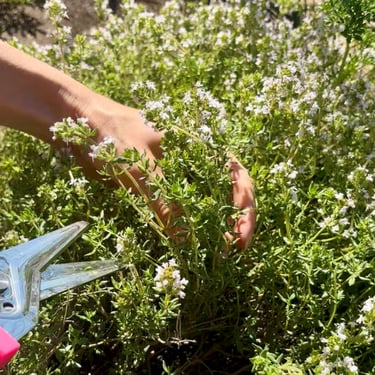
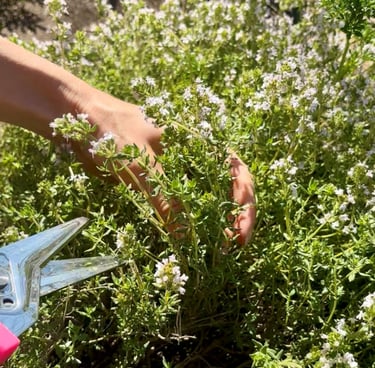
Ideally, you would want to get this from your own garden or a local organic farmer. Organic or completely untreated is a must, so you’re not stewing pesticides in your infusion. You’ll want to harvest this in the morning, as that’s when the essential oil levels in the leaves and flowers are at their highest concentrations. You can harvest regular thyme or flowering thyme, noting that the flowering thyme may add more of a botanical, sweeter flavor to the infusion. I usually do one spring batch with the flowers, leaves and stems, and another batch later summer/fall with just the leaves and stems.
Widemouth Glass Jars
I prefer widemouth jars for honey infusions - easier to stuff and clean. Here’s an option if you don’t have any on hand: (Check Amazon)
Plastic Glass Lids
You’ll want to use plastic lids instead of metal lids for honey infusions since honey can be mildly acidic. Here’s a brand that I’ve ordered multiple times: (Check Amazon)
Steps
Pick and wash fresh thyme in the morning. Lay out flat or on a baking sheet for two days to avoid extra water in the infusion (potentially causing it to spoil).
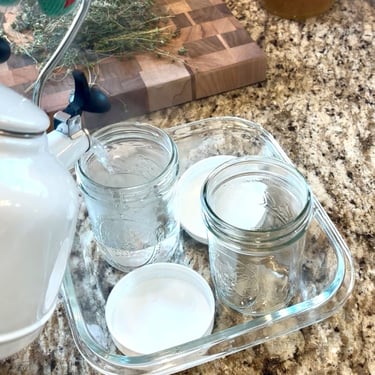
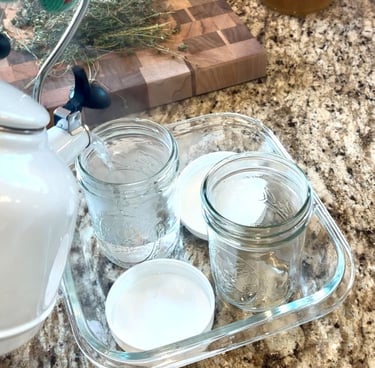
Sanitize jars. I use a tea kettle to pour boiling water along the edges of the jars and on the lids. Remove from the hot water bath after a couple minutes and let air dry.
Cut thyme into 1-2 inch chunks to help keep it from sitting above the honey.
Fill the jar to the desired level with the thyme. I usually go half way up at least.
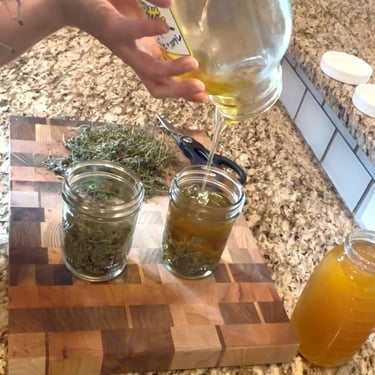
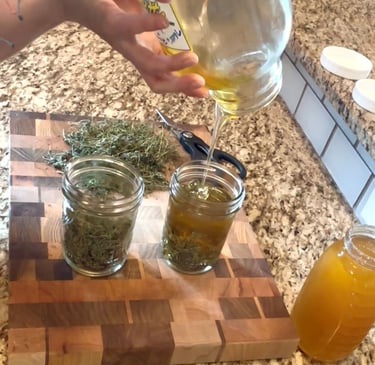
Top with the raw honey. Leave at least a half-inch space on top. Let sit for a few minutes uncovered as the honey sinks to the bottom, releasing air bubbles. You’ll most likely then need to add more honey after it settles.
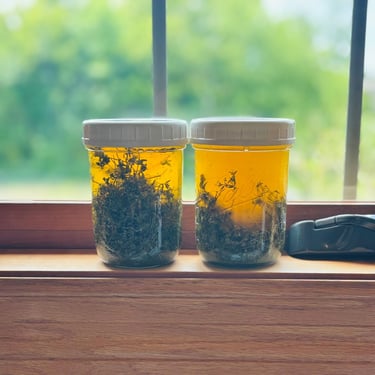
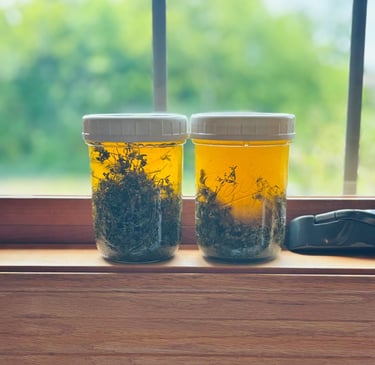
Let sit in a very sunny windowsill for 3-4 weeks.
Flip the jar at least once each day to prevent bacteria from forming on any solid pieces that are at or above the honey level.
Strain out the thyme. Pour infusion into a clean jar. If stored properly in a cupboard out of direct light or heat, it should be good for at least a year.
When ill, for adults, you can take a teaspoon up to four times daily. Do not give to children under one year old, as it is considered unsafe. For children over one, there is a Mayo Clinic article noting 0.5-1 teaspoon of honey can be given. Additionally, I came across this NIH study of children 1-5 years old that were given 1.5 tsp of herbal honey before bed having a statistically significant effect on children with a viral URI, upper respiratory infection.
Final tip, if you aren’t currently growing your own thyme, I’d say this is a must to add to this year’s, or next year’s planting list. Thyme is a perennial, so it will keep coming back each year a bit more full. So while you may be growing this in a planter, I’d recommend finding a spot in your yard where you can start to grow a surplus of this. Plus, it’s just a pretty, low-to-ground filler plant in your landscaping.
I hope this information was helpful! Happy infusing!
Medical Disclaimer
This content is for informational and educational purposes only. It is not intended to provide medical advice or to take the place of such advice or treatment from a professional healthcare practitioner. All readers of this content are advised to consult their doctors or qualified health professionals regarding specific health questions.
HealthyRootz
Disclaimer: This site contains Amazon affiliate links, which means I may receive a commission, at no extra cost to you, if you make a purchase through a link.
Follow On