DIY Organic Potting Soil
The simple ingredients and steps needed to make your own organic potting soil.
Miss Z
5/22/2026
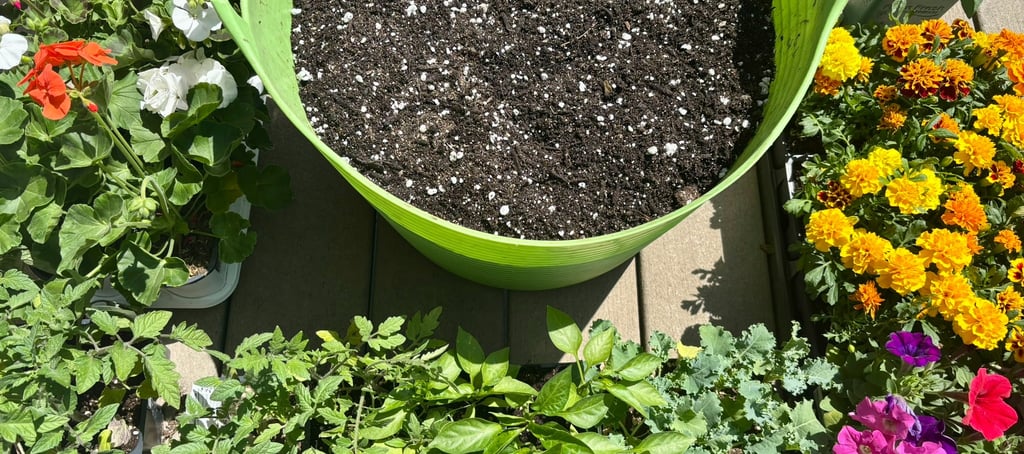
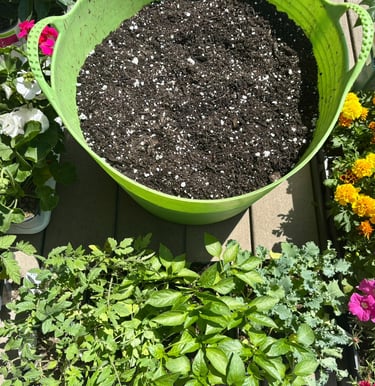
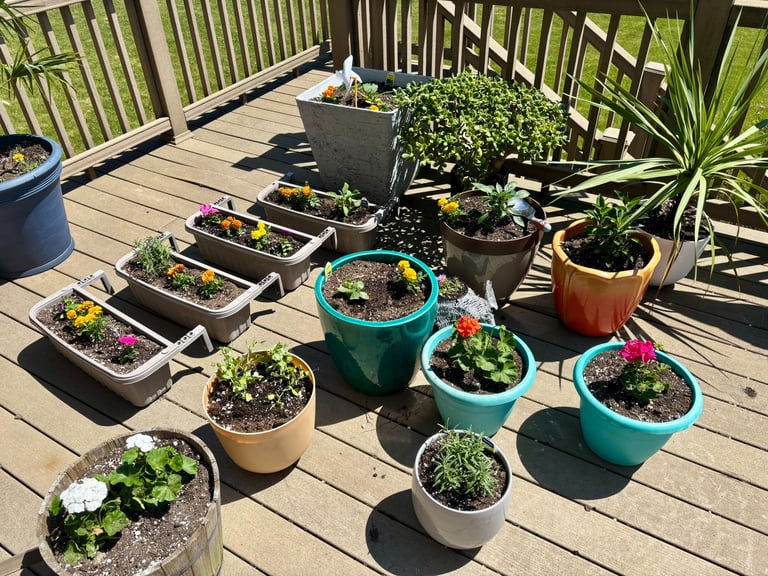
Summer is just around the corner, so it’s time to get those planters and window boxes filled with beautiful flowers and herbs. The first thing we need is rich, organic soil with proper drainage for our planters. Now for years, I purchased whatever bagged soil was at the local hardware store. I even bought the more premier brands or organic brands that had good drainage, but year after year the price only went up, while the quality and quantity seemed to go down. So, I started making my own organic soil. Not only is it cheaper (if you buy in bulk like I did), but boy did my plants thrive in this organic soil!
Here’s what you’ll need and a few links to products that I used:
Peat Moss (Check Amazon)
Perlite (Check Amazon)
Vermiculite (Check Amazon)
Organic Compost (Recommend getting this from your local hardware store)
Large Tub or Bucket (Check Amazon)
Gloves; optional - I wear mine to keep my nails clean (Check Amazon)
Since the quantity you need will vary depending on how many planters you need to fill, I’ll just give you a basic ratio to use:
This post contains affiliate links, which means I may receive a commission, at no extra cost to you, if you make a purchase through a link.
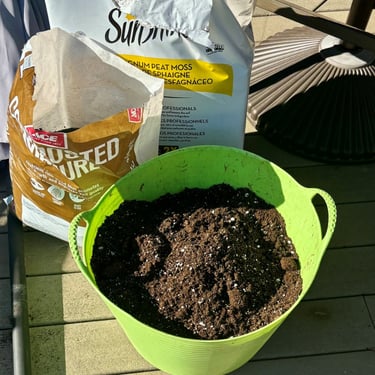
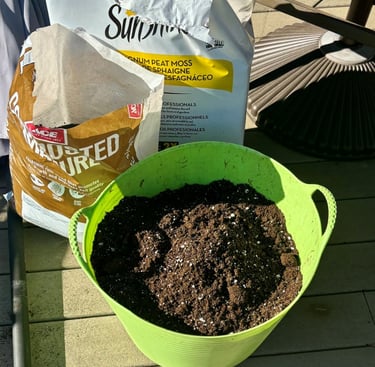
From there, it’s pretty simple. First dump your ingredients into your tub or bucket. I would recommend dumping the peat moss or the compost into the tub first before any of the perlite or vermiculite, just because of the size and weight of the different components. Then I use my arms to mix instead of any tool; it just seems more efficient to me.
Please note regarding the perlite and vermiculite - the particles give off a fine dust as you scoop them, and you don’t want to breathe that in. I grab a handkerchief to tie around my airways to be safe. I’ve also read recommendations of getting it slightly wet as you use it to help with the dust. Always better safe than sorry when it comes to your lungs.
While I wanted to get down to business at the top of this post by giving you the DIY potting soil mixture right away, let me now elaborate a little on each of the components.
Peat Moss
Peat moss is made up of decomposed organic material, particularly sphagnum moss and other dead plant material. It is an excellent soil amendment, used to increase nutrients and improve water retention and drainage.
Compost
Compost is decomposed organic matter, typically consisting of food scraps and yard waste that have been broken down by microorganisms (bacteria and fungi). From there, you may see options such as manure compost or mushroom compost. The manure compost is just that, animal feces with some of their hay/straw bedding added to the compost. It is rich in nitrogen, phosphorus, and potassium (NPK), acting as a slow release plant food. Mushroom compost, despite the name, doesn’t actually contain mushrooms, but is made of the recycled growing material used to create mushrooms. It is rich in calcium, phosphorus and potassium, and is also alkaline and somewhat high in salts - making it great for some plants, but not for all. I prefer to stick with manure compost for both my potted and in-ground planting.
Perlite
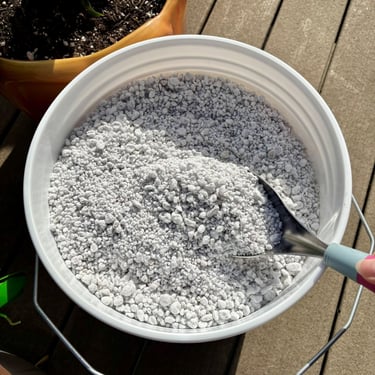
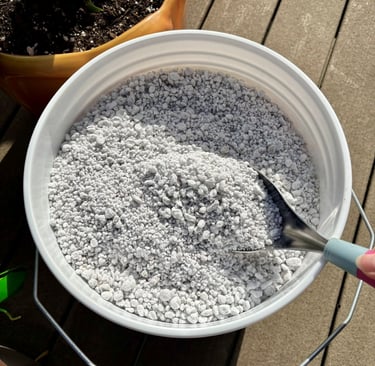
Perlite is a naturally occurring volcanic glass that is rapidly heated causing it to steam and expand (much like popcorn) into the white chunks you see in most potting soils. The particles have a porous surface that retains water and nutrients that can release into the plant roots, as needed. Additionally, its lightweight structure improves aeration by preventing potting and heavy soil from becoming overly compacted or waterlogged, thereby preventing root rot.
Vermiculite
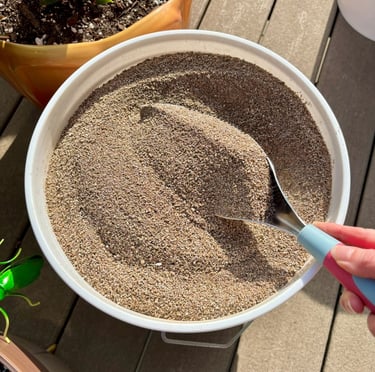
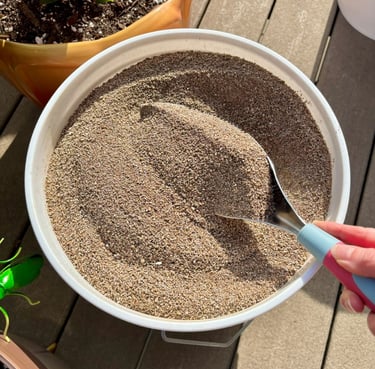
Vermiculite is a naturally occurring mineral that expands into lightweight flakes when heated. It’s an excellent soil amendment due to its high water retention and nutrient storage capabilities. Basically, it acts like a sponge absorbing the extra water and nutrients to save for later when the plant’s roots need them. It’s lightweight, sandy structure creates microscopic air pockets improving overall soil aeration and drainage.
When comparing perlite and vermiculite, while both are natural-heat expanded minerals used for water retention and drainage, there are a few times that you may want to use a little more of one than the other. Perlite is a bit stronger in aeration and drainage, so you may want to use a bit more of this for your succulents or plants more prone to root rot. Meanwhile, vermiculite is stronger in water and nutrient retention, so you may want to use a little more of this for seed starting and for ferns and tropicals.
Bottom line, don’t overthink it. This is a baseline to get you started to help your plants live their best life. I wish you all the best in your planting endeavors this season!
1 Gallon Peat Moss : 1 Gallon Compost : 1 Quart Perlite : 1 Quart Vermiculite
HealthyRootz
Disclaimer: This site contains Amazon affiliate links, which means I may receive a commission, at no extra cost to you, if you make a purchase through a link.
Follow On